You would think the problem had been fixed by now. It hasn’t.
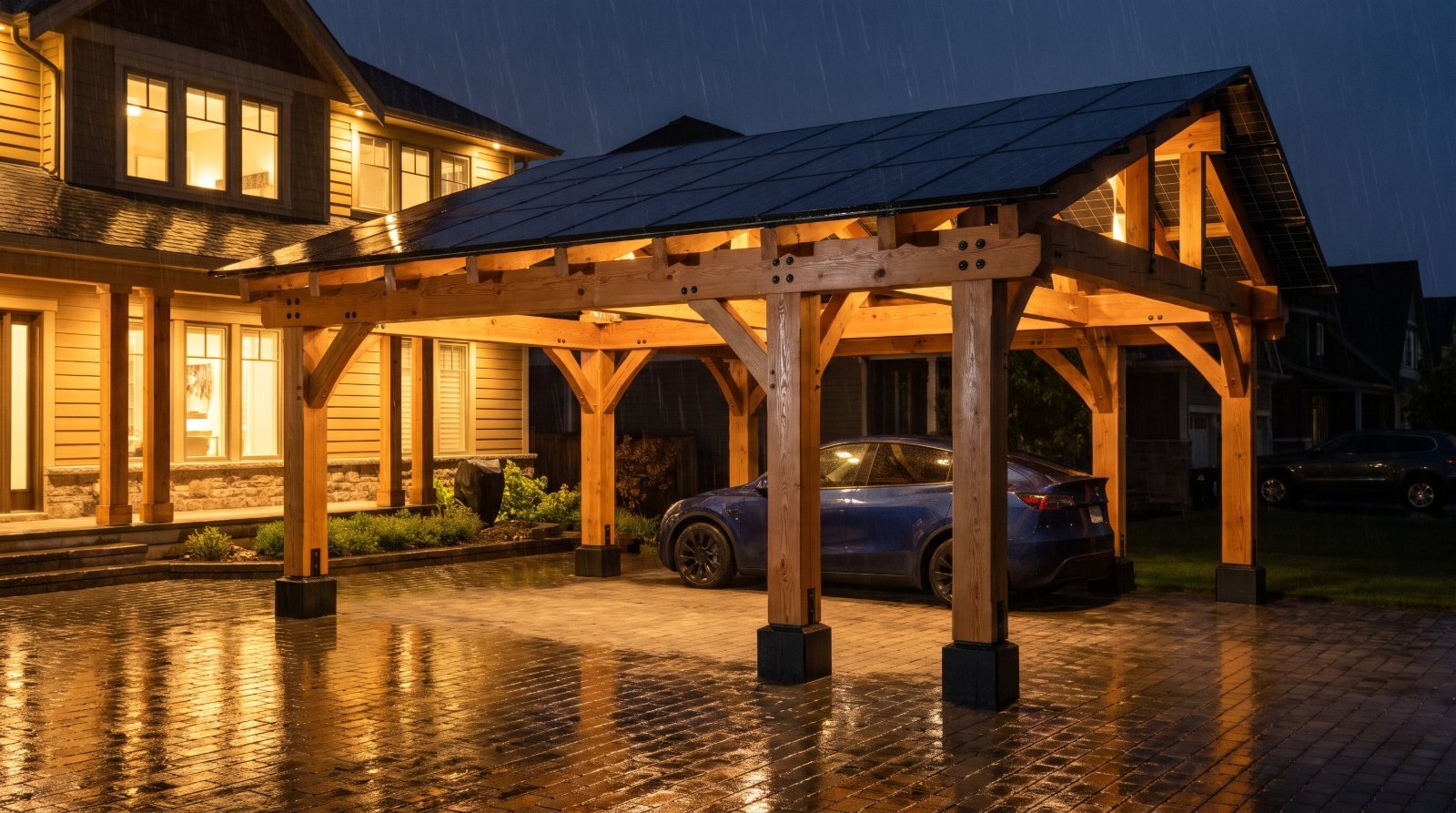
In short: Most home solar going in today has no battery. A system with no battery, tied to the power company’s lines, shuts itself off when those lines go dead, the same as the systems sold fifteen years ago. Five questions will tell you which kind you are being sold.
Berkeley Lab, a research lab, keeps records on about 5.3 million solar systems across the country. Its count for 2025: 37% of new home systems went in with a battery. Outside California, 17% did.
Turn that around. Outside California, more than four out of five new home solar systems went in that year with no battery. A system with no battery, tied to the power company’s lines, is required to shut down when those lines go dead. Nothing about that rule has changed. Here is why the rule exists.
A few can run a handful of circuits in daylight with special equipment. Most cannot run anything.
It is cheaper to sell. A battery adds thousands to the price. Leave it off and the monthly payment looks better across the kitchen table.
The pitch is still the bill. For twenty years solar has been sold on one promise, a lower electric bill. Outages are not part of the presentation, so the buyer never thinks to ask.
The lease is back. Solar companies still collect a federal tax break on systems they own and lease to homeowners, at least through 2027. So the product being pushed hardest right now is the one where somebody else owns what is on your roof.
The way solar is sold explains a lot about how it turns out. A typical sale passes through four separate hands.
| Who | Their job | When they are done with you |
|---|---|---|
| The salesperson | Get the contract signed. Often works for a sales company, not the installer | The day you sign |
| The finance company | Own the loan or the lease | Never, but they only handle payments |
| The install crew | Put it on the roof. Often a subcontractor | The day it passes inspection |
| The service line | Answer the phone when something is wrong | They have never seen your house |
No one in that chain is responsible for whether the system does what you thought you were buying. A 2024 report on solar lending said as much: loans are commonly sold through outside salespeople who may push hard and may not explain the terms. One North Carolina homeowner told a TV station that the salesman at her kitchen table promised about 70% off her electric bill. She got about 20%.
The salesperson was long gone by then. That is how the system is designed. Close the deal, move to the next one. It is an old pattern, and the aluminum siding men ran it first.
A seller with good answers will not mind the questions.
We set out to build the opposite of that chain.
The early buyers learned all of this the hard way. You don’t have to. If you already own one of the systems that goes dark, here is what you can add to it.
If the furnace is not on backup power, stop trying to heat the house.
Read it →
When your phone is dead or the network is down, the numbers inside it are gone too.
Read it →
A phone is the easiest thing in the house to keep running.
Read it →
Have a question we did not answer? Write to stan@generatorenvy.com. Stan grumbles, but a real person answers.
 Generator